
Interventional Radiology Services in New Jersey

Available IR Procedures | Schedule Appointment | FAQs

Outpatient Treatment Without Surgery

University Radiology’s board-certified interventional radiologists are leaders in performing minimally invasive procedures to diagnose and treat a variety of medical conditions without surgery. Our experienced physicians are precisely targeting cancer, treating bone, gastrointestinal and vascular problems, and providing new therapy options for common urinary and women’s health issues.

Using image guidance, interventional radiologists guide tiny instruments through the skin and blood vessels. These may include catheters, stents, connections for administering medication, and targeted treatment delivery. In many cases, interventional radiology services offer an alternative to surgery that’s safe and effective, with less pain and a faster recovery.
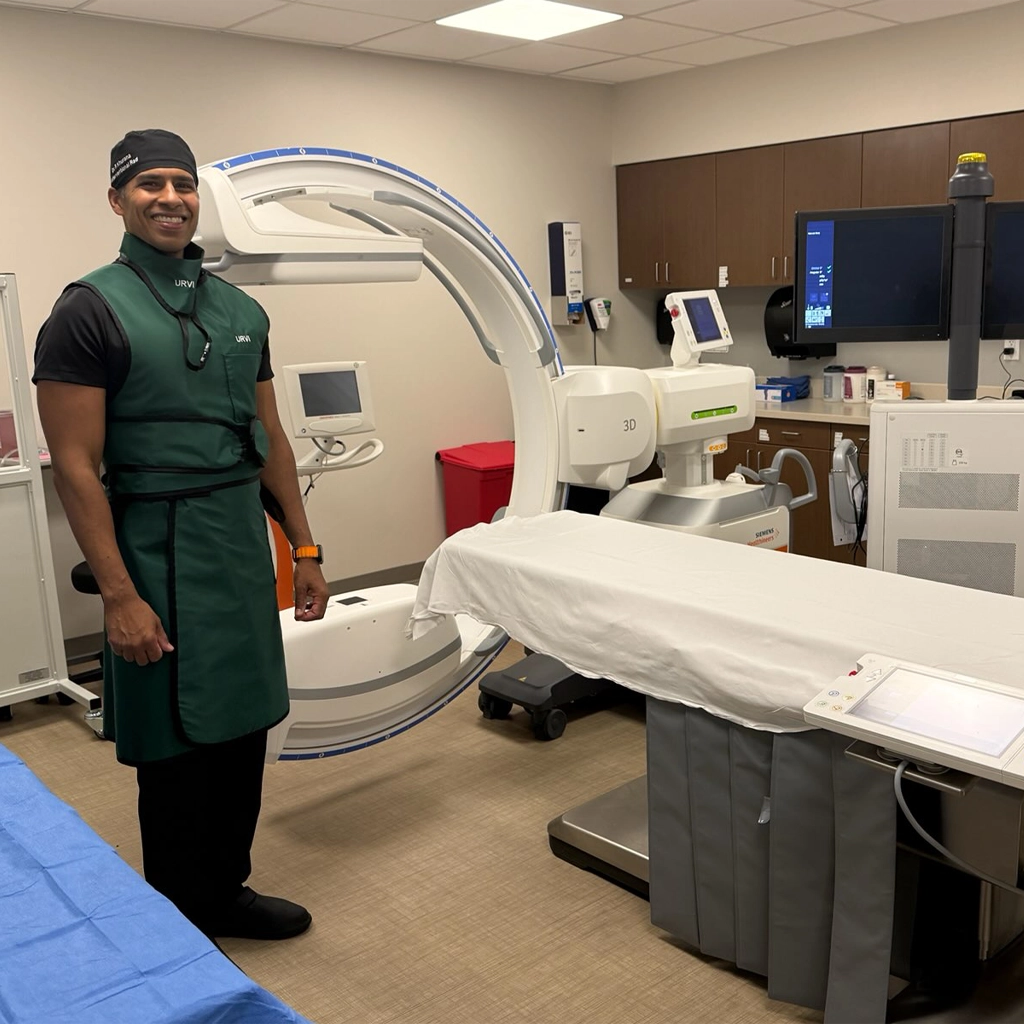
Available Interventional Radiology Procedures

At our New Jersey interventional radiology centers, we offer a range of minimally invasive services, including:

  • Interventional Oncology: Radioembolization and chemoembolization target liver cancer at the source.
  • Organ Biopsies: Minimally invasive procedures gather samples from the liver, thyroid, and lymph nodes for cancer testing.
  • Interventional Neuroradiology: Endovascular thrombectomies and vertebral augmentation treat brain and spine issues without surgery.
  • Liver and Gallbladder Procedures: Drainage and stenting, gallstone extraction, and shunt placement ensure proper blood and fluid movement through the biliary system.
  • Women’s Health Services: Interventional radiology for fibroids and pelvic congestion syndrome offers symptom relief and supports fertility.
    Men’s Health Services: Varicocele embolization relieves groin pain while improving sperm count and motility.
  • Kidney and Bladder Procedures: Minimally invasive treatments use stents and catheters to eliminate blockages and improve flow or create new pathways for urine.
  • Dialysis Catheter Placement: Hemodialysis catheters create a connection between a blood vessel and a kidney dialysis machine.
  • Treatments for Fluid Buildup: Specialized procedures drain harmful fluid from cysts and abscesses, as well as fluid collections in the abdomen and chest.
  • Arterial Disease Treatments: Angioplasty and stenting open narrowed and blocked blood vessels, while intra-arterial thrombolysis breaks up dangerous clots.
  • DVT Procedures: Thrombolysis breaks apart blood clots in the legs, arms, and lungs; IVC filters help prevent pulmonary embolism.
  • PICC Line Placement: PICC line insertion allows for medication, nutrition, chemotherapy, and other treatments to be delivered without repeated needle sticks.

Interventional Radiology FAQs

Interventional radiology is a medical subspecialty that uses radiology techniques and equipment to perform diagnostic and therapeutic procedures. It is often used for patients with cancer, vascular diseases, and kidney and bladder issues.

An interventional radiologist is a physician trained specifically in minimally invasive, image-guided procedures. They use X-rays, CT scans, and ultrasounds to guide small medical instruments through the body’s vascular system for diagnosis and treatment.

Interventional radiology uses minimally invasive techniques that are generally low risk. They do not require anesthesia and often involve just one small incision in the skin. Many of these procedures offer a safe alternative to surgery with less pain and a faster recovery time. In other cases, radiologic procedures can be used when surgery is not an option.

Preparation varies depending on the procedure. Our team will contact you before your appointment to go over specific instructions, including when to stop eating and drinking, what to wear, etc.

For more information about Interventional Radiology Services at University Radiology Group, or to schedule an appointment with one of our specialists, please contact us.