
Coronary CTA with HeartFlow Analysis

Understanding CAD with HeartFlow | A Proven Solution for Doctors and Patients | Who Should Get This Scan? | What To Expect | FAQ

Coronary artery disease (CAD) occurs when important blood vessels around the heart fill with calcified plaque. As plaque builds up, it narrows the vessels, making it more difficult for blood to flow through. Left untreated, the plaque can completely block an artery or release dangerous clots, often resulting in a heart attack. CAD is the leading cause of death for adults in the United States.

At University Radiology, we use the latest technology to help physicians understand their patients’ heart health. By combining coronary CT angiography (CTA) scans with HeartFlow analysis, we obtain a clear picture of the heart’s structures and performance. Cardiac CTA scans with HeartFlow analysis are completely non-invasive, take less than 15 minutes, and are performed at one of our convenient outpatient locations in New Jersey.
Coronary CTA with HeartFlow Analysis

Understanding CAD with HeartFlow

Coronary CTA enables clinicians to visualize a patient’s coronary artery disease (heart disease), but what happens when it’s unclear if the disease is impacting blood flow?

This is where the HeartFlow comes in. The HeartFlow analysis uses coronary CTA data to create a personalized 3D model of a patient’s heart. The model is then used to offer a clear picture of each patient’s health through two analysis techniques: fractional flow reserve (FFR) and plaque analysis (PA).

FFR uses AI to study how well blood is moving through the coronary arteries. For patients with plaque, the analysis evaluates the impact of plaque buildup – with no additional testing needed.

PA looks at the plaque itself. It calculates the total volume of plaque in the coronary arteries, and locates narrowed vessels. Additionally, PA looks at the types of plaque present to understand each patient’s heart attack risk. Using this information, doctors can make better clinical decisions and improve patient outcomes.1

HeartFlow analysis has been recognized in ACC/AHA Chest Pain Guidelines to help guide treatment for patients with CAD.

A Proven Solution for Doctors and Patients

Increases diagnostic confidence

CCTA+FFR-CT with plaque analysis is more precise and accurate than other non-invasive cardiac tests.2

See what might be missed

HeartFlow identifies coronary artery disease even in early stages, which other cardiac tests may overlook.2,3

Avoid the unnecessary

CCTA+FFR and PA enables physicians to identify which patients can be treated with medication and which need more invasive procedures.4

Help every patient own their heart health

PA and FFR-CT models let physicians show patients the impact CAD has on their heart.

Who Should Get an FFR-CT Scan with Plaque Analysis?

All cardiac CT scans at University Radiology require a prescription from your physician. The FFR-CT with plaque analysis is especially beneficial for patients who:

  • Have early signs of CAD
  • Are experiencing chest pain, tightness, or pressure
  • Have risk factors for CAD, such as a family history, high blood pressure, high cholesterol, or a history of smoking
  • Received inconclusive results from a cardiac stress test

What To Expect During a CTA Scan with HeartFlow Analysis

Getting a coronary CTA + HeartFlow analysis is very similar to getting a traditional CT scan. No special preparation is required, but you’ll need to remember to:

  • Wear comfortable clothing.
  • Remove all jewelry and metallic accessories.
  • Arrive at our NJ radiology clinic at least 15 minutes before your exam.

Before the test, you’ll receive an injection of contrast material through an IV. This allows a clear view of the heart and its important blood vessels.

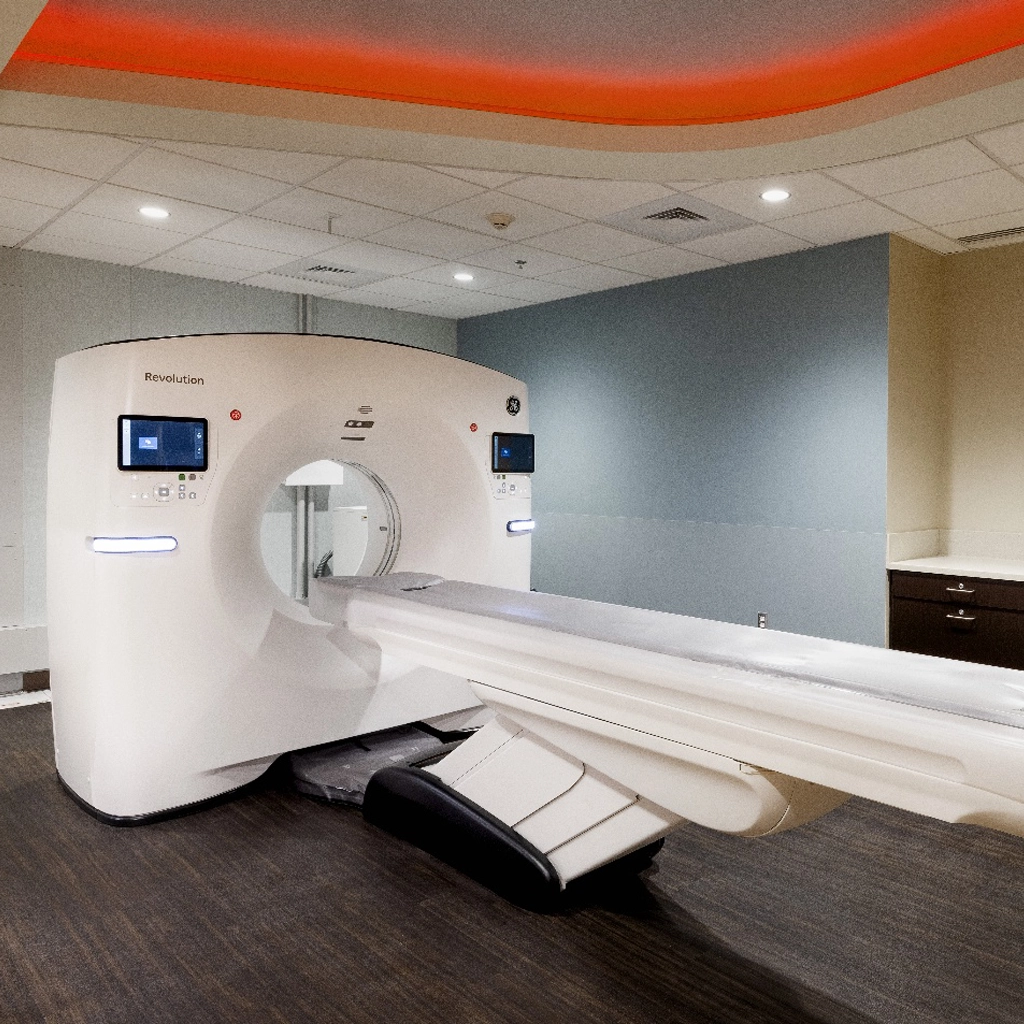
Once in the CT scanner room, you’ll lie down on a table connected to the machine. The technician will go into another room to start the test. The table will move into the circular machine and take pictures of your heart. You’ll need to lie still, and may be asked to hold your breath for short periods of time.

Afterwards, you’ll be allowed to go home; you can resume normal activities immediately. Using the images and the HeartFlow analysis, one of our highly trained radiologists will create a detailed report. That report, along with the images, is then sent to the referring physician.

Call (732) 390-0033 to schedule your visit »

Frequently Asked Questions About HeartFlow

Most major insurance providers offer coverage for coronary CTA scans with HeartFlow Analysis. For help understanding your coverage, reach out directly to our office at (732) 390-0033.

Like other non-emergent CT scans, your doctor should get the results of your FFR-CT with plaque analysis in 1-2 days. Once they’ve reviewed the results, they’ll reach out to discuss them with you.

Yes, FFR-CT and PA scans use a contrast agent administered through an IV. If you have any known allergy to contrast material, make sure to let our office know.

For more information about Coronary CTA with HeartFlow Analysis at University Radiology Group, or to schedule an appointment with one of our specialists, please contact us.

  1. Curzen, N.P., et al., J Am Coll Cardiol 2016. Newby D.E., et al. N Engl J Med 2018.
  2. Driessen, et al. J Am Coll Cardiol 2019. Norgaard, et al, Euro J Radiol 2015.
  3. Melikian, et al. JACC: Cardiovasc Interv 2010. Jung, et al. Euro Heart J 2008. Koo, et al. J Am Coll Cardiol 2011. Min, et al. JAMA 2012. Nørgaard, et al. J Am Coll Cardiol 2011.
  4. Patel, et al. J Am Coll Cardiol 2019.